Create your CubeMars account

In today’s rapidly evolving robotics landscape, whether it is humanoid robots, quadruped robots, or exoskeleton systems, their core competitiveness relies on one key system — the actuation system.
It determines whether a robot is “powerful,” “agile,” and “stable,” and even directly defines the upper limit of overall system performance.
A robotic power system is the core system that converts electrical energy into precise mechanical motion through motors, gear reduction mechanisms, and control systems.
So, how exactly does a robotic power system work? Let’s take a closer look at the robot’s “muscle system.”
A robot actuation system refers to the complete set of devices that converts energy into mechanical motion and provides driving force for the robot.
Simply put, it is the robot's "power source" and "motion execution mechanism." Without an actuation system, a robot is just a pile of stationary metal and plastic, unable to perform any valuable actions.
From a technical perspective, a complete robot actuation system typically consists of four core modules:
Energy Source: The source of energy
Actuator: Converts energy into motion
Transmission Mechanism: Adjusts the force and speed of motion
Control System: Precisely manages the entire power process
Without a power system, a robot is merely a static structure.
The core functions of a power system include:
Providing motion capabilities (walking, grasping, rotating)
Supporting loads (e.g., enabling humanoid robots to stand)
Achieving precise control (speed, position, torque)
Improving energy efficiency and endurance
Especially in humanoid robots, lower-limb power systems directly determine:
Walking stability
Explosive power (jumping, running)
Energy efficiency
The working principle of a robot actuation system is essentially an energy conversion + closed-loop control process:
Power supply provides energy (battery/power module)
Drive motor outputs torque (e.g., brushless motor)
Reduction mechanism amplifies torque (planetary reducer/harmonic reducer)
Sensors provide feedback data (encoders, torque sensors)
Controller adjusts in real time (achieving precise motion)
Core logic:
Electrical energy → Rotation → Torque amplification → Precise control → Mechanical motion
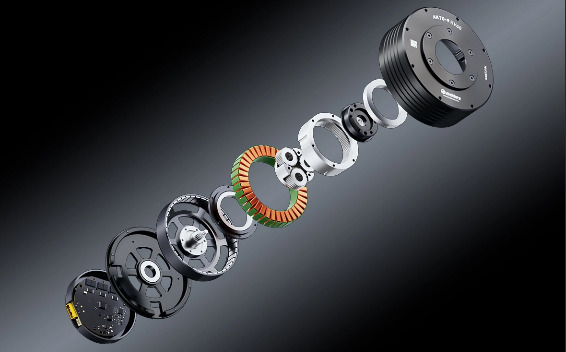
Motor: The Source of Power
Converts electrical energy into mechanical rotational power; it is the "heart" of the system.
Reducer: The Force Amplifier
Reduces motor speed and significantly increases output torque; it is the robot's "muscle."
Sensors: Perception and Feedback
Provide real-time feedback on force, position, posture, etc.; they are the robot's "nerve endings."
Controller
Processes sensor data and issues commands; it is the "brain" coordinating all components.
Different robot forms have very different requirements for actuation systems.
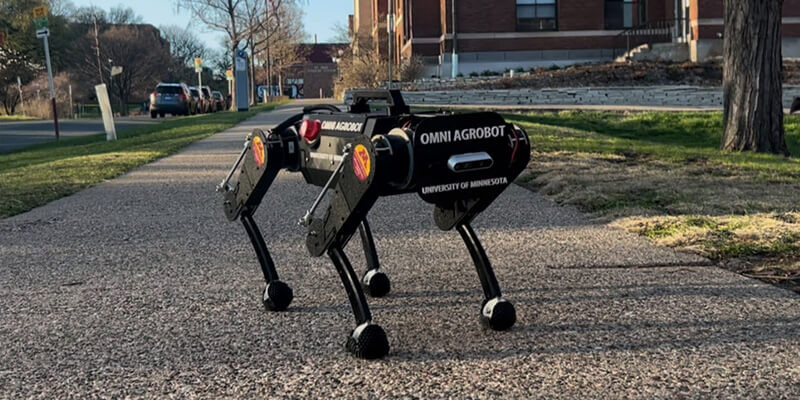
Characteristics:
High torque output (supporting body weight)
High dynamic response (running, jumping)
Strong impact resistance
Common solutions:
Quasi-direct drive (QDD) actuators
High torque density motors + planetary reducers
Applications: Humanoid robots, quadruped robots
Comparison of Legged Robot Actuator Options
| Parameter | AK10-9 V3.0 KV60 | AK80-64 KV80 |
| Rated Torque (Nm) | 18Nm | 48Nm |
| Rated Speed (RPM) | 235RPM | 23/48RPM |
| Peak Torque (Nm) | 53Nm | 120Nm |
| No-load Speed (RPM) | 320RPM | 37/75RPM |
| Reduction Ratio | 9:1 | 64:1 |
| Weight (g) | 940G | 850G |
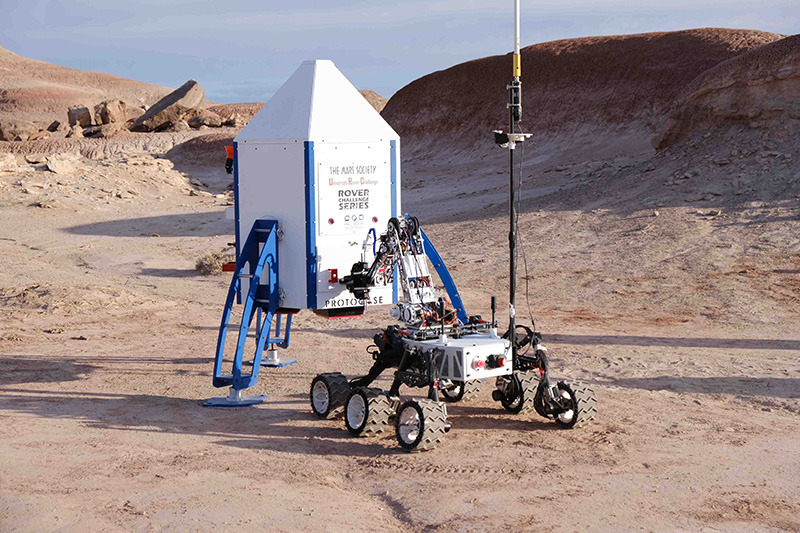
Characteristics:
Simple structure
High efficiency, low cost
Relatively easy to control
Common solutions:
Hub motors
Actuators
Applications: AGVs, delivery robots, vacuum cleaners
Comparison of Wheeled Robot Actuator Options
| Parameter | AK10-9 V2.0 KV60 | AK70-10 KV100 |
| Rated Torque (Nm) | 18Nm | 8.3Nm |
| Rated Speed (RPM) | 109/228RPM | 148/310RPM |
| Peak Torque (Nm) | 48Nm | 24.8Nm |
| No-load Speed (RPM) | 160/320RPM | 240/480RPM |
| Reduction Ratio | 9:1 | 10:1 |
| Weight (g) | 960G | 521G |
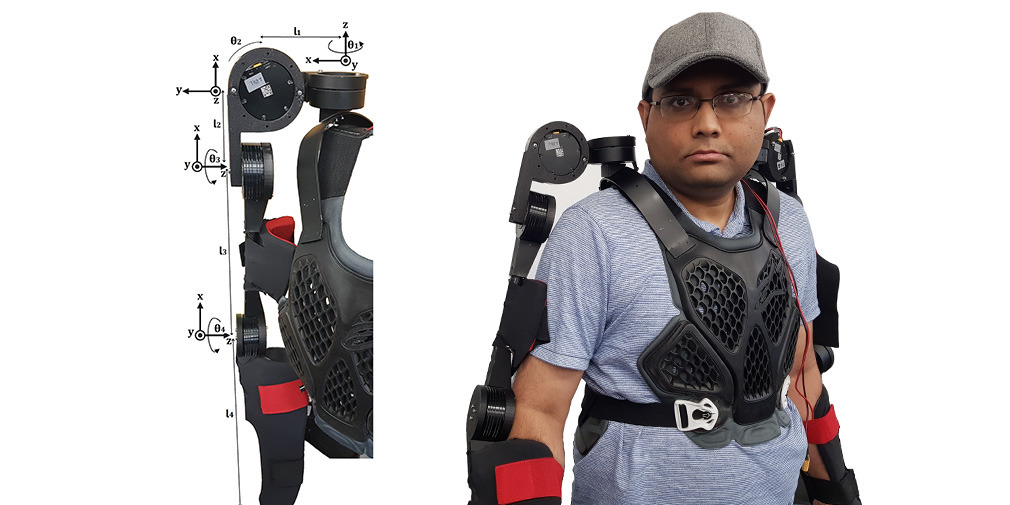
Characteristics:
Extremely high lightweighting requirements
High safety (human-robot interaction)
High-precision force control
Common solutions:
Highly integrated actuators
Low-inertia motors + torque control
Quasi-direct drive actuators(QDD)
Applications: Medical rehabilitation, industrial assistance
Comparison of Exoskeleton Actuator Options
| Parameter | AK80-9 V3.0 KV100 | AK80-8 KV60 |
| Rated Torque (Nm) | 9Nm | 10Nm |
| Rated Speed (RPM) | 570RPM | 243RPM |
| Peak Torque (Nm) | 22Nm | 25Nm |
| No-load Speed (RPM) | 570RPM | 360RPM |
| Reduction Ratio | 9:1 | 8:1 |
| Weight (g) | 490G | 570G |
In robot actuation system design, the essence of selection is: precise matching between performance requirements and actuator capabilities. While torque is a core factor, a systematic evaluation across multiple dimensions is necessary.
Key Selection Factors
Torque – The most critical indicator
Determines whether the robot can "carry the load"
For legged robots: directly affects standing and walking stability
For exoskeletons: determines assistance strength and human-robot synergy
Speed
Determines motion speed and response capability
Quadruped/humanoid robots require high response (running/jumping ability)
Torque Density
Output capability per unit weight
Directly impacts the robot’s overall lightweight design
Control Precision & Feedback
Encoder precision
Force control capability (especially for exoskeletons)
Structure & Integration Level
Whether an integrated actuator is used (motor + reducer + drive)
Whether development complexity is reduced
However, these parameters do not exist in isolation—they must be weighed and matched according to the specific application.
To better understand the selection logic, let’s look at two typical application scenarios:
Agricultural Quadruped Robot (Complex Terrain, High Dynamic Requirements)
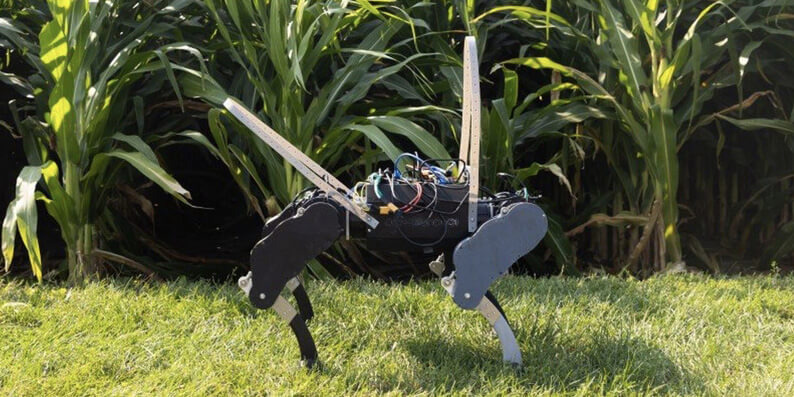
In agricultural environments, quadruped robots face challenging conditions such as mud and uneven terrain, placing higher demands on the actuation system.
Selection priorities shift to:
High torque output (supporting body weight + obstacle-climbing capability)
High dynamic response (adapting to complex gaits)
High reliability (long-duration outdoor operation)
In the University of Minnesota’s agricultural quadruped robot project, adopting a high torque density QDD actuator solution enabled more stable walking and more agile movement.
Key matching logic:
Torque ✔ → Handling load and terrain
Response speed ✔ → Enabling dynamic gaits
Integration ✔ → Improving system stability
Exoskeleton System (Human-Robot Collaboration & Force Control Priority)
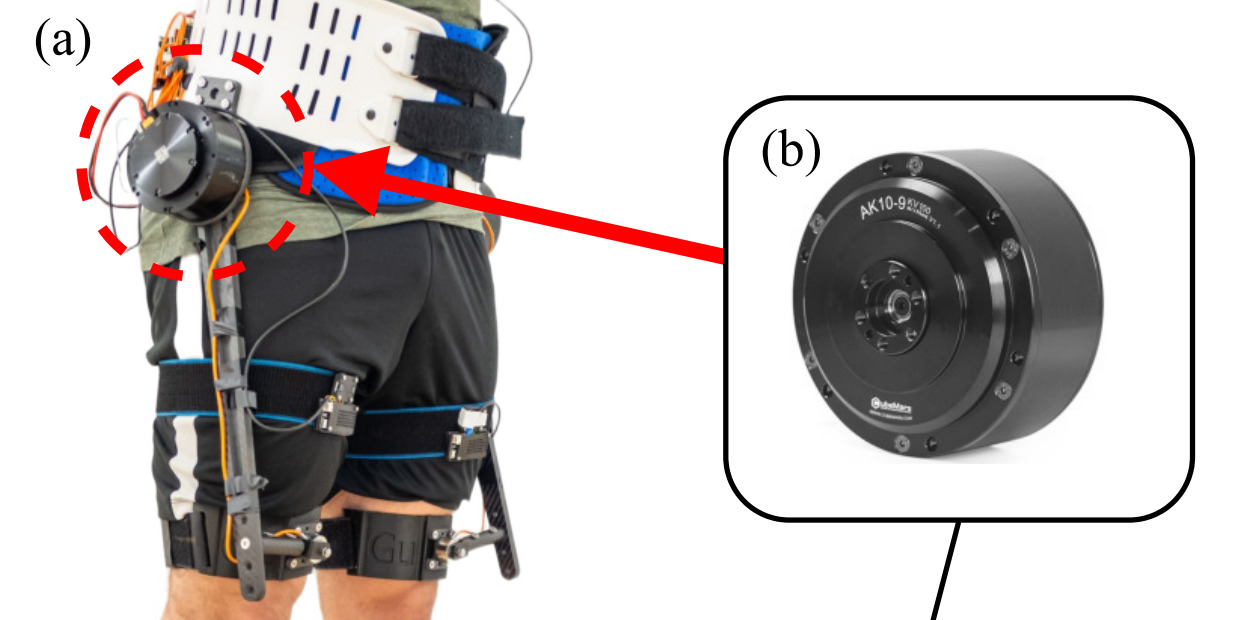
Compared to quadruped robots, the core requirement for exoskeletons is no longer "stronger," but "more precise and safer."
Selection priorities shift to:
High-precision force control (torque control)
Low-inertia design (enhancing safety)
High backdrivability (enabling natural human-robot interaction)
In QDD-based exoskeleton research, optimizing the actuator structure has enabled precise estimation and control of human-robot interaction forces.
Key matching logic:
Control precision → Enabling natural assistance
Backdrivability → Improving interaction experience
Lightweighting → Enhancing wearing comfort
As you can see, robot actuation system selection is not a simple parameter comparison, but a process of "metrics → scenario → matching solution":
Quadruped robots → Emphasize torque + dynamic performance
Exoskeletons → Emphasize force control + safety
Therefore, the essence of selection is:
To precisely align actuation system performance with application requirements.
A robot actuation system is the key foundation that enables a robot to transition "from static to dynamic." It not only determines whether a robot can move but also directly affects its performance ceiling and application scenarios. By converting energy into controllable mechanical motion and incorporating feedback and control mechanisms, the actuation system gives robots "locomotion capability" and "execution ability."
As robot forms and applications continue to diversify, the requirements for actuation solutions are becoming more specialized—from emphasizing strength and speed to pursuing precision and safety, and balancing efficiency with cost. Actuation systems are evolving toward greater diversity and specialization.
At the same time, the design and selection of actuation systems is no longer a comparison of single parameters, but a comprehensive trade-off process that requires balancing performance, structure, and control based on specific application scenarios.
From a broader perspective, robot actuation systems are continuously evolving toward high performance, lightweighting, high integration, and intelligence, gradually becoming a fundamental foundation driving technological progress and industrial deployment in robotics.


