Регистрировать

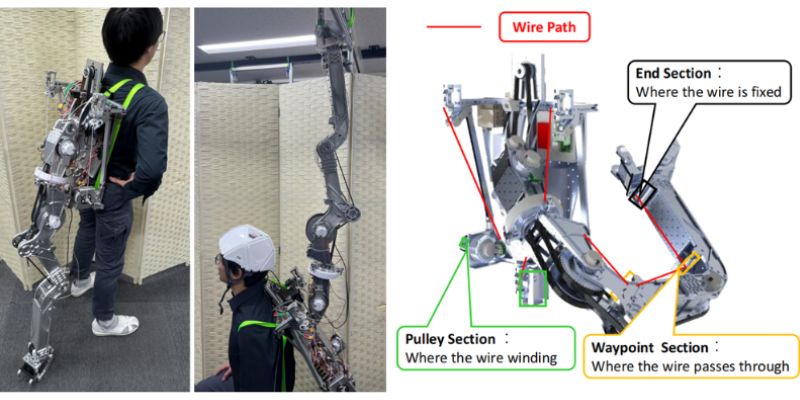
Исследовательская группа Университета Токио представила инновационного носимого робота Vlimb, предназначенного для расширения человеческих возможностей. Этот робот, который относится к категории дополнительных механических конечностей (Supernumerary Robotic Limbs, SRL), предоставляет пользователю дополнительные механизмы для расширения диапазона движений, подъема тяжелых объектов и выполнения точных манипуляций. Дизайн Vlimb создает баланс между силой и гибкостью, обеспечивая комфортность при ношении благодаря легкой конструкции, что делает его пригодным для применения в таких сферах, как здравоохранение, спасательные работы и промышленность.
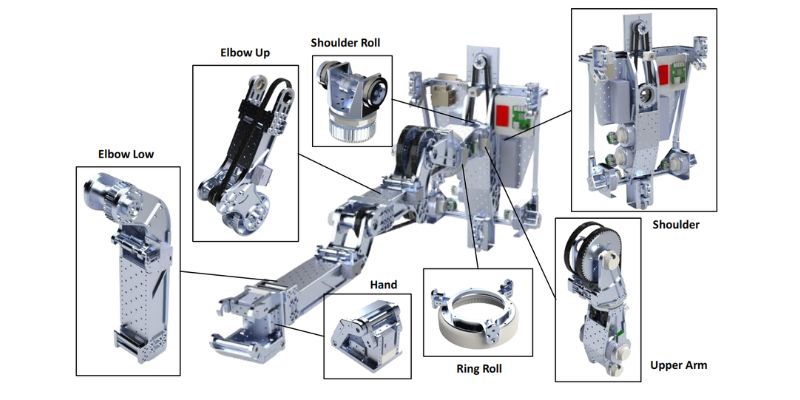
Одной из основных инноваций Vlimb является возможность переключения между двумя режимами работы — режимом силы и режимом манипуляции. В режиме силы робот оптимизирует момент силы, позволяя ему поднимать тяжести до 60 кг, что соответствует весу взрослого человека. В режиме манипуляции, восстановив соединение проводов, робот увеличивает свои степени свободы, что позволяет выполнять точные операции, такие как захват и передача объектов.
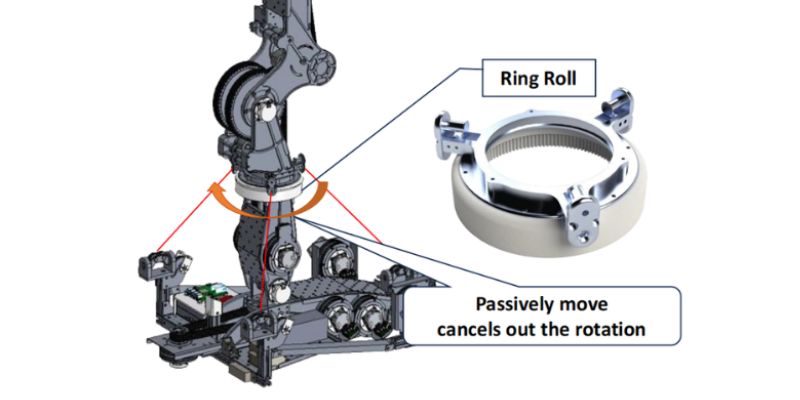
Vlimb оснащен пассивной кольцевой структурой, которая решает проблему запутывания проводов, характерную для традиционных проводных систем. Подшипники в суставах позволяют проводам свободно вращаться, предотвращая их запутывание и обеспечивая 360-градусное движение, что значительно расширяет диапазон движений робота, делая его более гибким, чем человеческие конечности.
Конструкция робота легкая и выполнена из алюминиевого сплава с использованием современных методов обработки, что снижает общий вес до 16,3 кг. Это позволяет роботу не только легко двигаться, но и оставаться комфортным для длительного ношения.
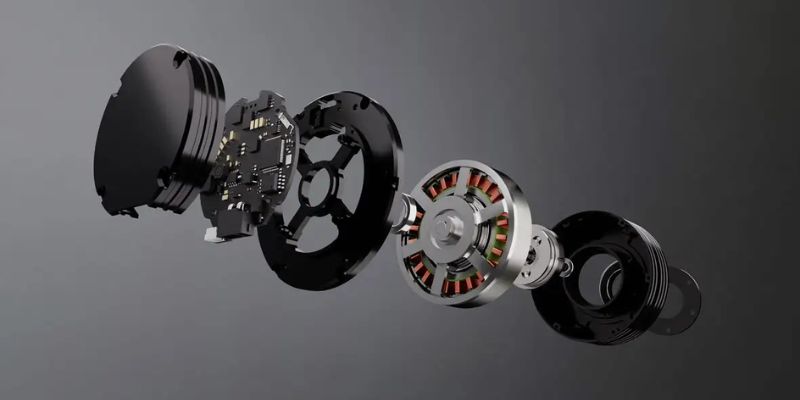
Система привода Vlimb использует безщеточный мотор CubeMars AK60-6 V1.1 KV80, который является ключевым элементом его производительности. Мотор обеспечивает пиковый крутящий момент 9 Нм, что полностью удовлетворяет требования тяжелых задач в режиме силы. Его компактный дизайн идеально интегрируется в систему проводов Vlimb, концентрируя мощность в основании и оптимизируя распределение веса. Мотор AK60-6 обеспечивает стабильность и отзывчивость, что крайне важно для выполнения роботом сложных задач.
Экспериментальные результаты подтвердили выдающиеся способности Vlimb в различных сценариях. В режиме манипуляции робот продемонстрировал способность контролировать углы наклона, что подтвердило его гибкость. Он успешно захватывал и передавал пластиковую бутылку с водой, показывая высокую точность при выполнении мелких операций. В режиме силы Vlimb с легкостью поднял груз массой 61 кг, что подтвердило его мощную выходную силу.
Vlimb имеет широкий спектр применения в таких областях, как здравоохранение, промышленность, спасательные миссии и развлечения. Исследовательская группа планирует дальнейшую оптимизацию стратегии управления для улучшения взаимодействия человека и робота, а также внедрение сложных трехмерных движений, таких как паркур.
Проект Vlimb подчеркивает лидерство Университета Токио в области носимой робототехники, а мотор CubeMars AK60-6 играет ключевую роль в обеспечении высокой производительности робота, открывая новые возможности для применения в передовых роботизированных системах.


